
One Season to Get It Right, Six Months Committed Ahead of It
Recreation brands place their biggest inventory bets in the quiet months and collect most of the year's revenue in a narrow window. Guess high and you carry gear and cash through the off-season; guess low and you sell out mid-peak with no time to reorder. A monthly close is useless at this speed. Iris gives you a live read on the season and the cash gap that funds it.
Size the Cash Gap Before You Commit
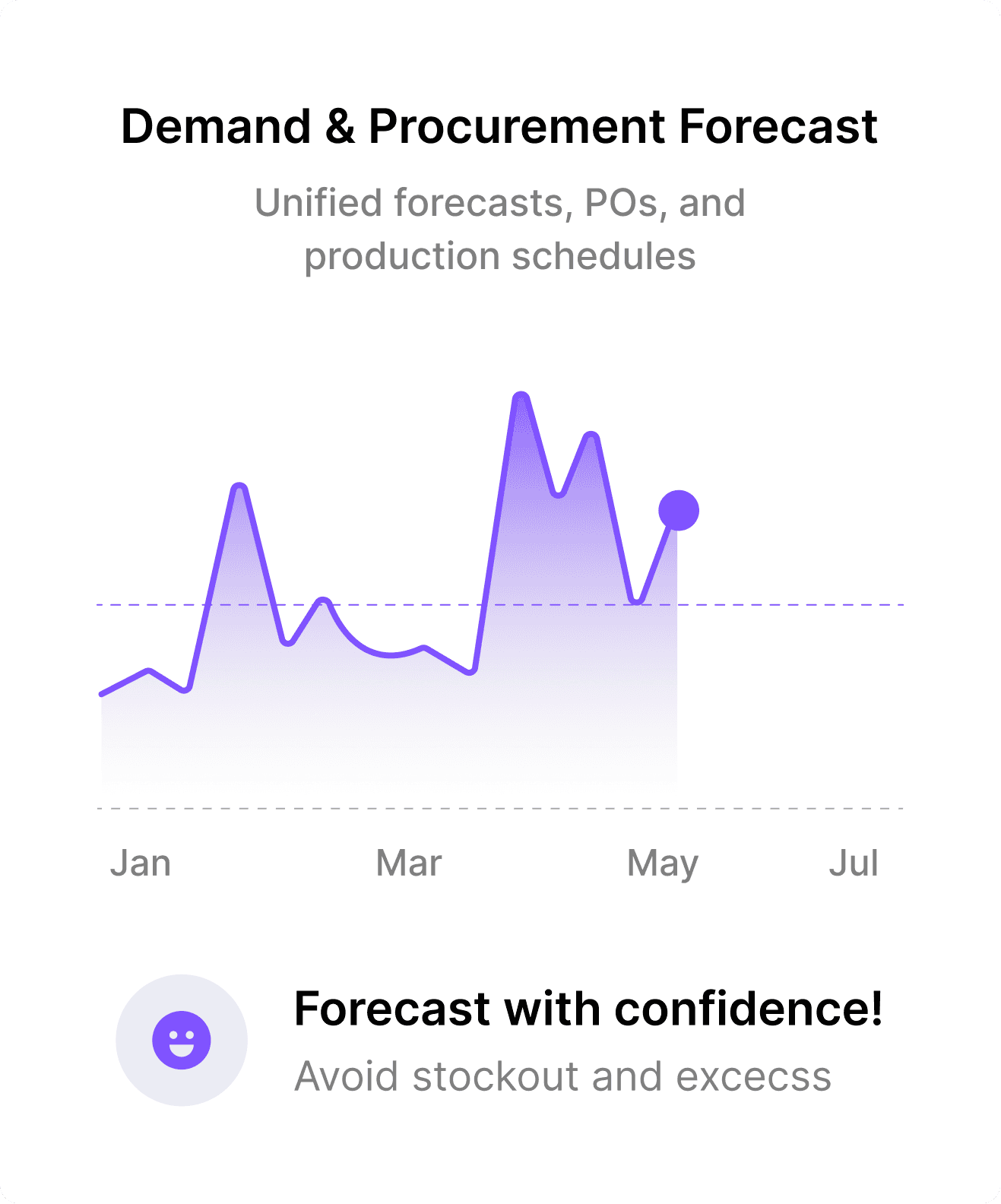
The hardest number in a seasonal business is how deep the cash hole gets between the pre-peak buy and the peak-season sell-through. Iris models that gap against a live 13-week forecast, so you commit to the buy knowing the low point in your bank balance before you hit it, not after. The buy that sells out in July can still break you in April.
The pre-peak cash trough sized before you order
Seasonal buys tied to a 13-week forecast
Vendor lead times and terms modeled against the peak window
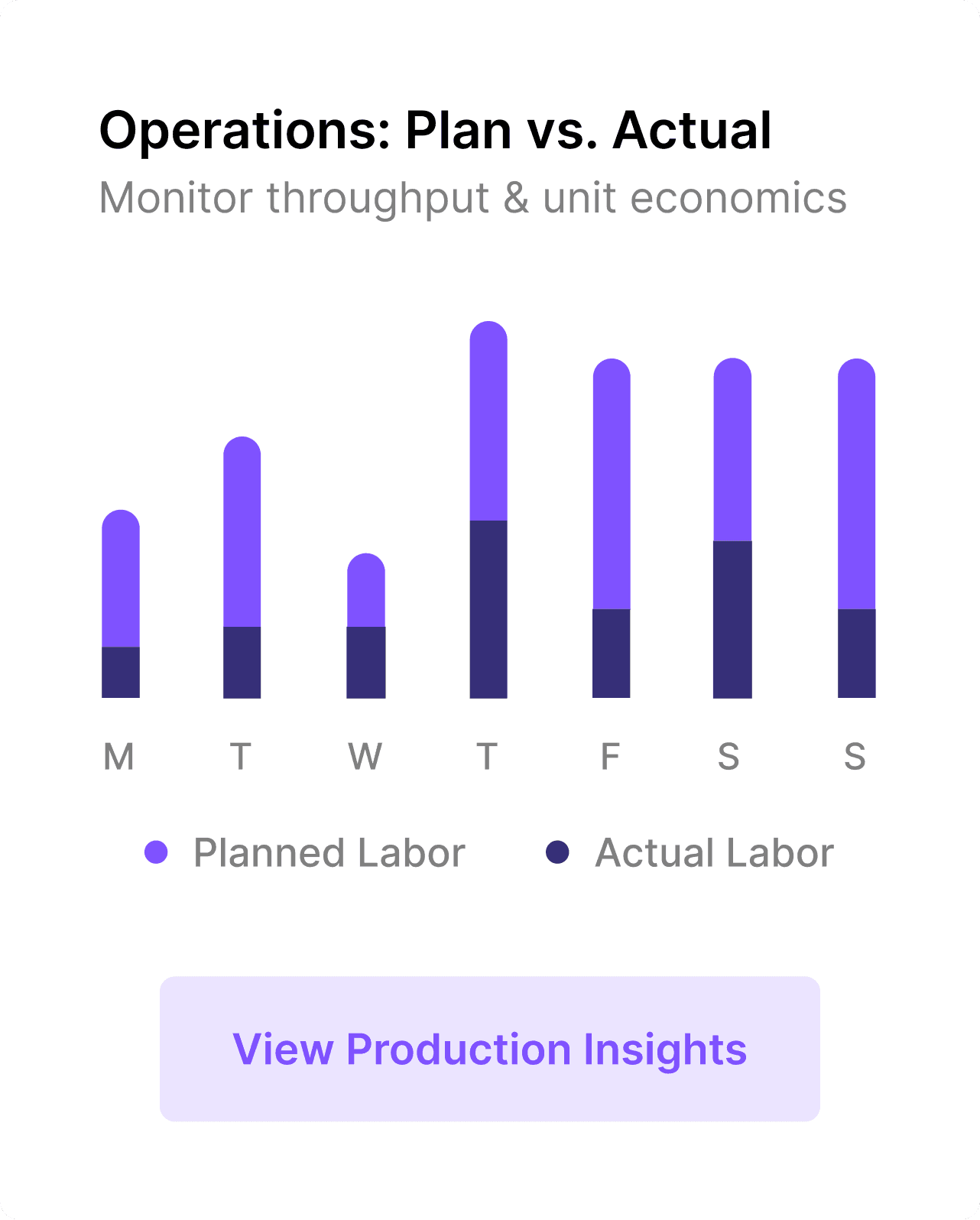
Is This Peak Beating Last
Year's Peak?
In a business with one real selling window, week two of peak either confirms the year or warns you. Iris tracks the season against plan and against last year daily by product and channel, so a category running behind gets a promo or a price move while the window is still open.
A season you can only grade after it ends is a season you couldn't steer.
Daily plan vs. actual and vs. same season last year
Category-level pace tracked through the peak window
Time to react while the season is still live
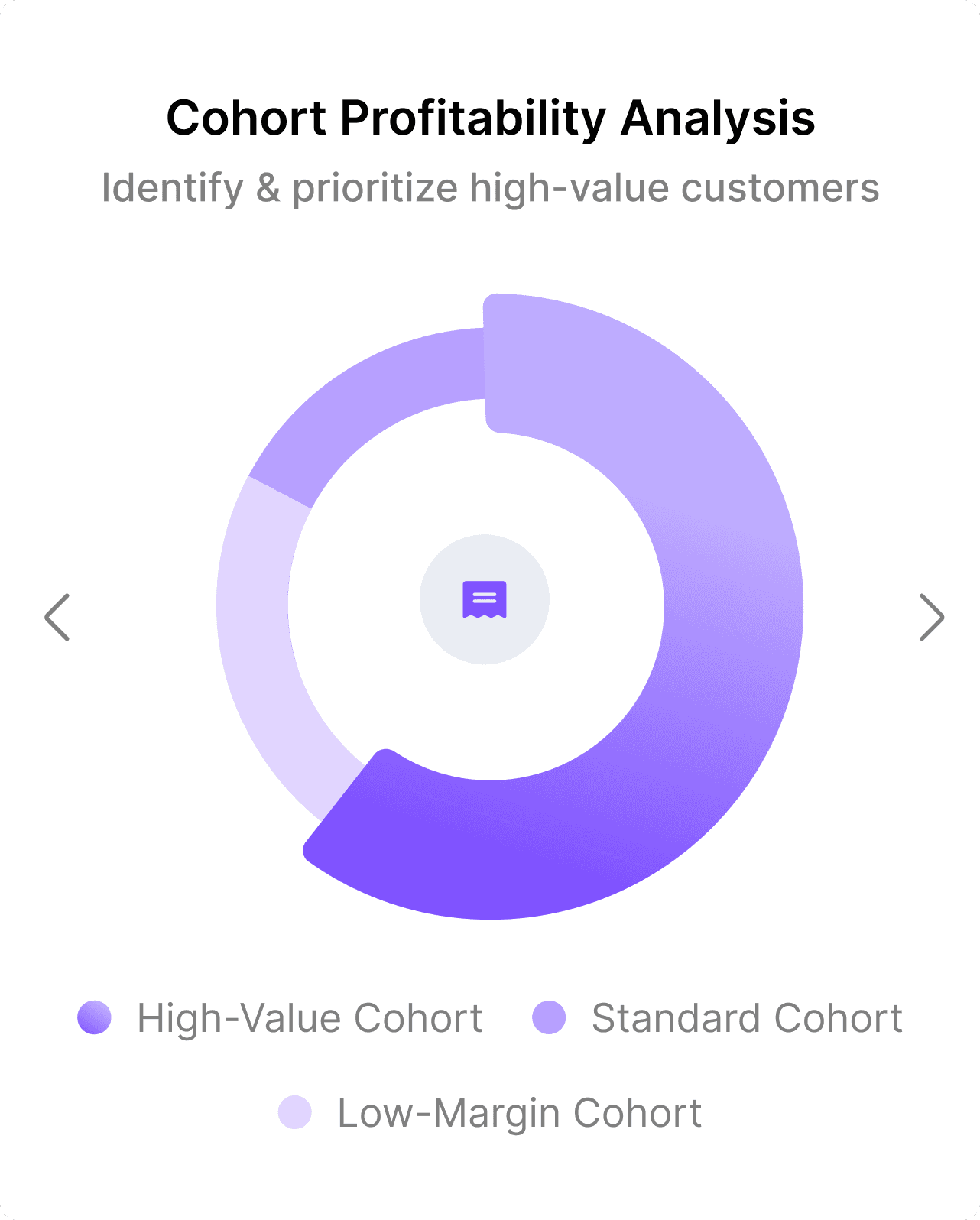
Turn One-Season Buyers Into
Repeat Customers
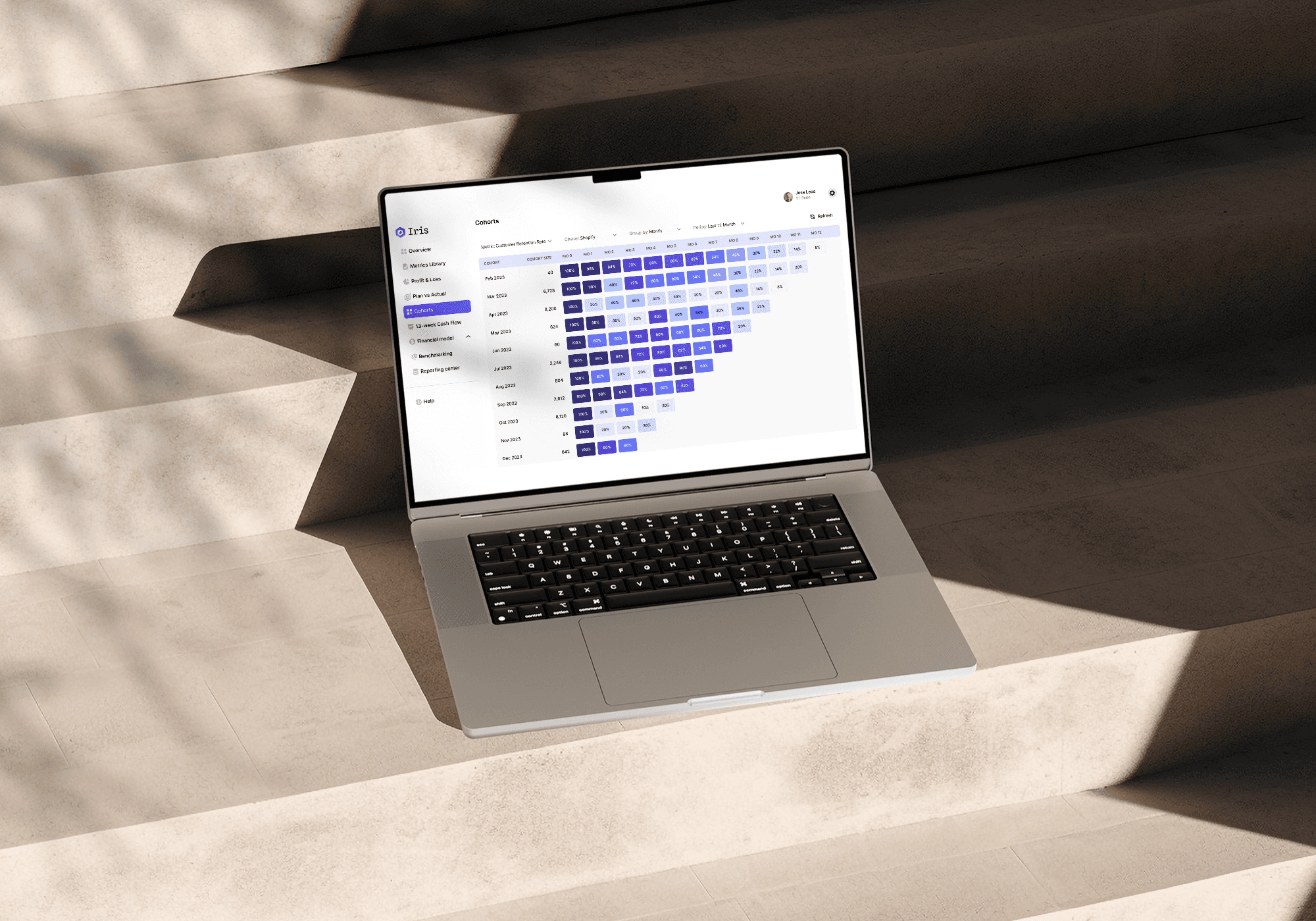
Plenty of recreation customers buy once, at peak, on a deal, and never return. Iris breaks cohorts down by channel, campaign, and segment so you can tell the seasonal one-timers from the enthusiasts who come back every year, and aim acquisition at the ones worth keeping. A customer who only appears during peak clearance isn't a customer, they're a discount.
Cohorts by channel, campaign, and segment
Season-over-season repeat behavior
Acquisition cost measured against customers who return
Carry the Off-Season Without Panic
The months after peak are where seasonal brands run out of runway if they misjudged the buy. Iris keeps a rolling forecast through the trough so you see leftover inventory, cash position, and next-season commitments in one place, and manage the quiet months instead of white-knuckling them. Surviving the off-season is a cash-planning problem, not a willpower problem.
Rolling cash forecast through the post-peak trough
Leftover inventory weighed against next season's buy
Off-season runway visible months ahead
Built for Every Leader in Recreation
Demand arrives in a rush and sourcing happens months earlier. Iris gives each team a live read on the season and the cash gap that funds it, so the big bets are placed with eyes open.
For Founders & CEOs
See the whole seasonal cycle in one view — the buy, the peak, and the trough. Iris sizes the cash gap and tracks the season live so your biggest bets aren't blind ones.
For Finance Leaders
Close in hours and keep a forecast that survives the off-season. Iris automates variance and keeps cash visibility rolling through the quiet months.
For Marketing Leaders
Know if peak is pacing ahead or behind while you can still act. Iris shows real return on promotions and media by season so spend lands in the window that matters.
For Operations Leads
Iris ties freight, returns, and carrying costs to each product so you right-size the pre-season buy and aren't stuck holding gear till next year.
"I’m obsessed with Iris Finance . In a matter of a week, it went from "I'll try it out" to "How did I ever live without this?" Iris has become an essential tool in the stack at Allermi, giving me a crystal-clear, real-time read on our entire financial picture."
CEO, Allermi

“Having every single dollar accounted for on a daily basis is incredible — nothing like big red numbers to let you know when you lose money on the day.”
Founder, Ramp Health

TRUSTED BY




FAQ's
How does Iris model the seasonal cash gap before a big buy?
Can Iris compare a season's pace against the same season last year?
How does Iris help manage cash through the off-season?
Can Iris track profitability across DTC, Amazon, and retail at once?
How quickly can a recreation brand get started with Iris?